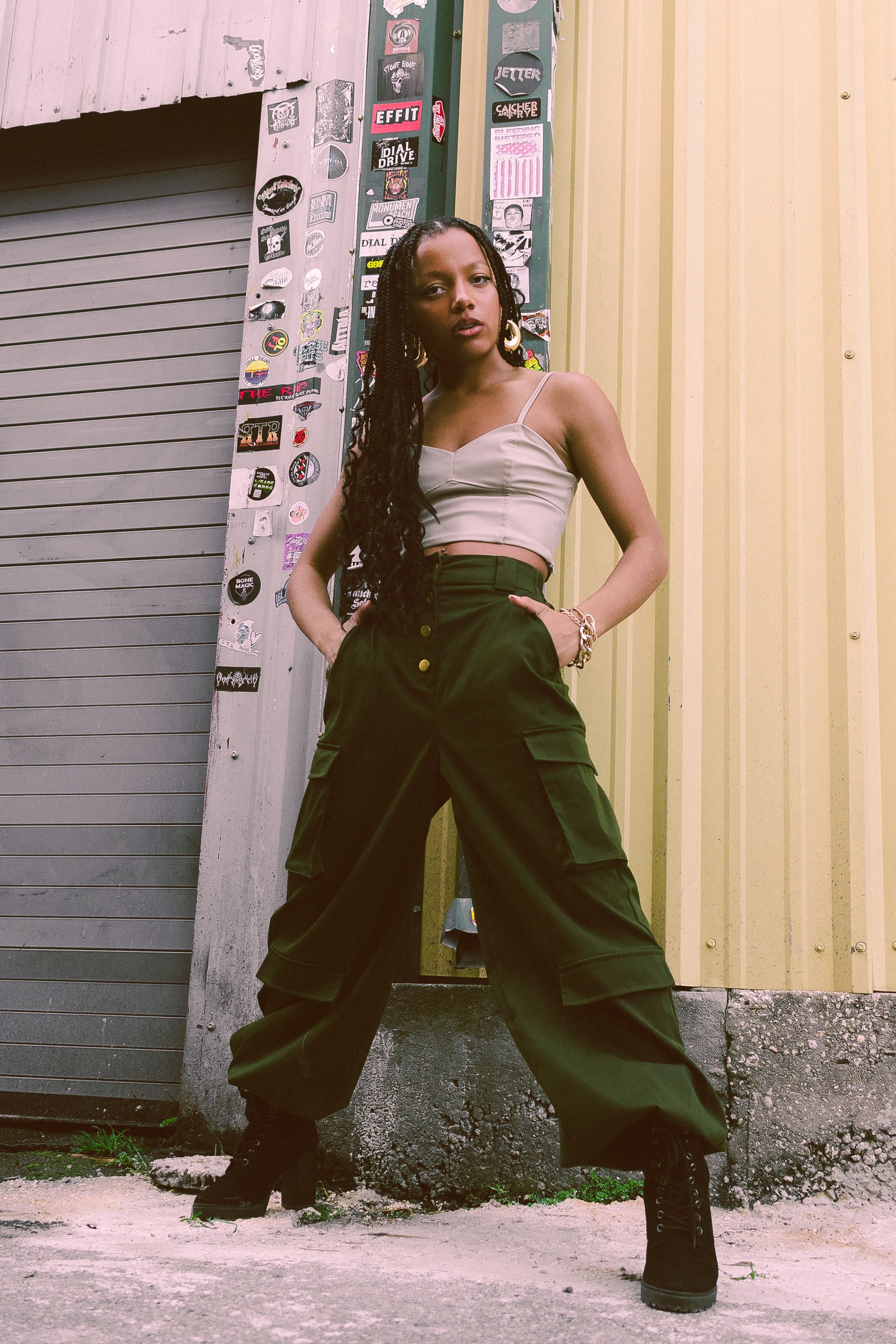
Godspeed Shirt Guide: Fits, Graphics, and What You Get
The graphic is seen and the size chart is open, so what remains is whether the shirt is worth $160. That happens to be the down-to-earth question answered here. What lifts the price of Godspeed shirts is absorbed by details you can verify yourself such as print technique, fabric weight, wash and run size, which is why the New York label prices at the top of the graphic-tee market. The smart purchase and the costly impulse come apart at how well you understand what the premium covers. Cut, sleeves, graphic families, 2026 price ranges and pre-checkout questions are handled in the sections that follow. Treat the prices here as observed market estimates, not an official list.
Quick Version
One section only? Read this one. Strip it back and a godspeed shirt amounts to a heavy, square-cut, graphic-first garment whose mark is puff print or embroidery rather than a thin screen print. Because the fits run relaxed and slightly cropped compared with a standard retail tee, your usual size reads looser and shorter. Artwork comes out of a small set of recurring families, usually printed on washed grounds, not flat colour. With small, drop-based production runs, sold-out designs migrate to resale instead of being restocked. Everything else is summed up in the points below.
- Shirts landed at about $128 to $200 per piece across 2026
- Most short-sleeve styles sit between $150 and $170
- Core colours: black, black wash, bone, grey wash
- Techniques used most: puff print, heavy embroidery and garment washing
Fit: What Boxy Actually Means on the Body
Fit is the first thing that surprises people used to mall-brand tees. By design, https://godspeednyc.org/shirts/ the house cut is boxy and oversized: a wider chest, a shorter and squarer body next to a traditional fitted cut. Most frames end up with a straight fall of fabric instead of a taper, and the shoulder seam drops outside the shoulder point. Take your normal size for the intended look, and go down one for a conventional fit. Because heavier fabric holds the shape rather than clinging, the shape comes across as deliberate, not sloppy. Below, two subsections divide the range by sleeve.
Short Sleeves
Being the core of the range, the short sleeve doubles as the cheapest way in. The largest front and back graphics lands here, typically alongside a smaller chest or sleeve hit as a secondary mark. Observed pricing puts most of them in the $150 to $170 band, with the floor of the whole shirt range around $128. To match the boxy body, sleeves are cut wide and finish above the elbow. Since the body is short, these layer awkwardly under most jackets and are best worn alone. This is the one to buy if you want a single shirt to judge the brand.
Long Sleeve, Sleeveless, and Layered
The variants cost more and each solves a different problem. Reaching about $200, the long sleeves add graphics along the sleeve and hold a lot of the label’s typography. At around $170, the sleeveless cuts open up the shoulder and demand a body you are happy to show. Layered builds stack contrasting fabrics or a false second garment for depth without an extra piece. All three share the short sleeve’s relaxed torso, so sizing logic carries across. The season, and how much artwork you want on show should decide it.
Graphics, and the Methods Behind Them
It is worth knowing how the graphic is made, since the artwork is the product. Two methods dominate: puff print, which raises the ink off the surface for a tactile mark, and heavy embroidery, which stitches the design rather than printing it. Compared with the thin screens used on cheap tees, both are dearer per unit and age differently. Across seasons you will see the recurring letter marks R.O.D, I.G.W.T, F.T.D, G.R.C and VVS, together with GS FOREVER and GS 4EVER lockups and an OG Logo script. Since no official expansions have been published, every explanation circulating online is a guess. Surrounding them are the label’s recurring motifs: skeletons and skulls, angelic and religious imagery, New York iconography and street-life themes.
Judging Print Quality Before You Buy
Since photos flatten both methods, the listing is what you have to read. Puff print leaves an edge shadow where the ink sits proud of the cloth, most visible in raking light. Embroidery shows thread direction and a slight surface distortion around dense areas, and it adds noticeable weight to the panel. Neither technique should read glassy or plasticky, the giveaway of a thin screen print. Product names offer a further clue, since designs like Empire Guardian, Liberty Tears, Neighborhood Watch and Mask Off differ in graphic density. A denser design consumes more ink or thread, which shows in where the piece lands in the range.
Washes and Colour Options
Do not read colour as just colour on these pieces. Black, bone and grey form the core palette, but you will also find Black Wash, Grey Wash or Blue Wash treatments, giving a faded, broken-in ground before you wear it. Because washed pieces carry deliberate tonal variation, two of the same shirt will not match exactly. Colours like rust, navy, yellow, lime, purple and orange handle the high-contrast accents, generally on a black or bone body. Softening bold prints and flattening quiet ones, the wash changes how the artwork reads. Check which version is in the cart, because listing photos for washed and unwashed variants look similar at thumbnail size.
2026 Pricing, in Plain Numbers
The figures below are market estimates observed in 2026 gathered from the brand’s webstore, stockists and resale platforms, and not an official price list. Prices shift drop by drop, and demand pushes sold-out designs above or below retail. Roughly forty apparel entries appeared on StockX resale, with lowest asks between about $75 to $297, straddling the shirt range on both sides. That means patience sometimes beats retail, and being impatient sometimes costs you a premium. Read the table as a sanity check on a listing rather than a quote. A price far outside these bands should send you back to the seller.
| Type of shirt | Observed 2026 range (USD) | What drives the price |
|---|---|---|
| Short sleeve, regular print | $128-170 | Print scale and density set the level, and washed grounds sit higher |
| Heavily embroidered short sleeve | $150-180 | Stitch count and panel coverage |
| The sleeveless | about $170 | Cut and placement, not fabric volume |
| Long sleeves | up to $200 | Extra sleeve graphics and more fabric |
| Layered constructions | at the top of the range | Several fabrics plus extra assembly |
How Shirts Compare With the Rest of the Line
The shirt is the cheapest entry into the brand, and the rest of the range escalates quickly. A godspeed hoodie was observed at roughly $200 to $270, with a pullover around $200 and a heavier design listed at $270 retail on a resale platform. Sweatsuits and matching sets moved between about $155 to $360 on fabric and detailing; shorts sat between $120 and $200, premium denim around $250. Headwear is the sole accessory in tee territory, at $60 to $150. godspeed shirts are the entry rung rather than the flagship once the whole ladder is in view. If the graphic language fails to convince you at $160, it will not convince you at $270.
A Buying Checklist
Skipping basic checks is behind most disappointment with this category. Nearly all of it sits with sizing, technique and seller legitimacy, and each takes under a minute to verify. A listing may not reflect available stock, because drops are limited and archived pages stay live after selling out. Resale listings add their own risk, since condition and authenticity differ from seller to seller. Any other site badging itself official is worth scrutiny, since the label sells through its own webstore and a defined set of stockists. Work through the points below before paying.
- Look for boxy or oversized in the fit description, then pick your size on that basis
- Is it puff print, embroidery or a flat screen is the question to settle
- Where the colourway is a wash, the tonal variation comes with it
- Check the asking price against the bands listed above
- Buy from the brand’s own webstore or a named stockist rather than some site you have never heard of
The Story Not to Believe
There is a confident brand history attached to these shirts, but it is not verified. Since the label publishes no origin story and the About section of its storefront holding placeholder text rather than a company narrative, no founder or founding year has been stated publicly. Copycat sites posing as the official store are the source of the detailed histories online, copying one another as they go. There is a separate and unrelated American company under a similar name selling garage and motorcycle goods, and retailers have wrongly attributed its founders to this streetwear label. None of this changes the garment in your hands, but it should shape which site you buy from. The construction and the fit are checkable, so let them decide it.